Intro
Business email carries more than messages. It carries your name, payment notes, access details, and the kind of small requests clients learn to trust over time. If that channel looks easy to imitate, even a normal invoice or file update can make someone pause.
That is why secure email hosting should be in place before a bigger problem appears. It gives your business email a safer base, with clearer sender identity and better protection around everyday messages. Clients and partners should be able to recognize your real emails without second-guessing every request, attachment, or project update.
Your Email Carries Your Business Voice
A professional inbox handles the messages people take seriously: contracts, technical specs, client approvals, and bank instructions. These threads carry weight because they appear to come from your business.
That is why weak email security creates a reputation problem, not just a technical one. An outsider does not always need to break into your site to cause damage. A fake billing update, a changed bank detail, or a shared document sent from a similar-looking address can make a client question the next real message too.
Secure email gives your real messages firmer ground. Partners should be able to see the difference between normal business communication and something trying to borrow your name.
Impersonation Often Looks Boring
The risky emails are not always loud or strange. They look like ordinary work: a revised invoice, a shared file, a password reset, a short contractor note. Nothing unusual on the surface. Just the kind of email people handle quickly between other tasks. The message feels normal, so nobody stops to check the sender’s domain or where the link actually leads.
This is what makes impersonation difficult to catch. An outsider does not need to fight a firewall if they can copy the tone of a routine request. A revised payment instruction or “new file attached” message can use the trust your team has already built with a client. Without a way to verify these ordinary notes, the inbox starts giving attackers the same path your real partners use every day.
Authentication Gives Mail a Verifiable Trail
A business email needs more than the right logo and sender name. Those parts are easy to copy. The harder part is proving that the message actually came through the channels your domain uses.
That proof sits behind the scenes. SPF, DKIM, and DMARC help create it, but clients do not see those records when they open an invoice or access note. Their mail provider checks them first. If something does not match, the message may be filtered, marked, or treated with more caution.
The All-in-One Platform for Effective SEO
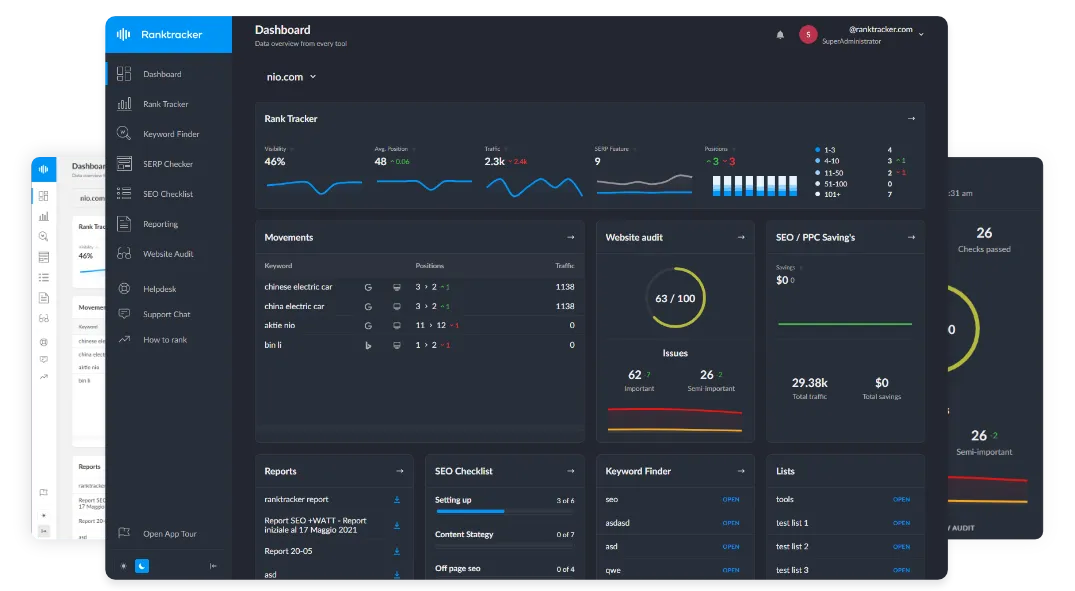
Behind every successful business is a strong SEO campaign. But with countless optimization tools and techniques out there to choose from, it can be hard to know where to start. Well, fear no more, cause I've got just the thing to help. Presenting the Ranktracker all-in-one platform for effective SEO
We have finally opened registration to Ranktracker absolutely free!
Create a free accountOr Sign in using your credentials
This is the useful part of authentication. It gives your regular emails a cleaner technical record before anyone reads the text. Clear writing still counts, but authentication helps the message arrive with its technical credentials already verified. The recipient’s system can move the thread to the primary inbox instead of flagging it as a potential risk.
Secure Hosting Reduces Everyday Exposure
Secure hosting is not about building a digital fortress around every message. It is about reducing the small gaps that cause trouble during normal work. A shared password stays active too long. Someone opens a strange link between meetings. An old mailbox keeps receiving access codes after the person who used it has left the project.
The useful parts are practical:
- Login verification. Even if a login is leaked, the second check keeps the mailbox locked. It prevents a stolen password from becoming a wide-open entry point.
- Filtering. The system should catch phishing in the background. The team shouldn’t have to guess whether a link in a routine-looking email is safe to click.
- Admin control. The business needs a clear way to add, remove, or adjust access when roles change.
- Cleaner account habits. Work mail should not depend on private inboxes, reused passwords, or forgotten forwarding rules.
Small Shortcuts Make Email Riskier
Tools provide the structure, but daily habits determine how well that structure holds. Risk often enters when work moves outside the protected channel. For an online publishing project, that might mean a freelancer keeps access for a week longer than planned because nobody remembered to remove it. A contract gets forwarded to a personal address just to save a few seconds on a login screen.
These are small shortcuts, not major failures. Still, they create problems:
- Side threads. Important decisions move away from the official mailbox.
- Personal forwarding. Sensitive files leave the business email system.
- Old access. Former team members or contractors stay connected longer than they should.
- Unclear reporting. A suspicious message gets ignored because nobody knows who should check it.
Why Forward-Thinking Teams Use Spaceship for Secure Email
Moving business email to Spaceship gives the team a cleaner base for secure communication. Spacemail lets a project use mailboxes on its own domain, so sensitive project data and business threads do not have to sit inside personal or generic accounts.
The useful parts are easy to understand in daily work:
- Jellyfish anti-spam. Suspicious messages get filtered before someone on the team has to decide whether a link or attachment is safe.
- Two-factor authentication. Modern verification ensures that a stolen or reused password is not enough for an outsider to take control of the project’s communication.
- Aliases. Support, billing, and general contact can stay separated without sending work through private accounts.
Setup counts too. Unbox can connect the domain and email during purchase, reducing the manual DNS steps that often cause mistakes. Spaceship keeps those pieces in one place. The team can set up secure mail, manage access, and keep everyday messages under the same roof without turning email into another long setup job.
Trust Is Easier to Keep Than Repair
A secure professional inbox will not fix every communication problem. It does something more practical. It gives your emails a clearer route into the inbox. When you send an invoice, access note, or project file, the recipient should not have to stop and wonder whether the message is really yours.
Once people start questioning your sender identity, every normal message has to work harder. Spaceship helps reduce that friction by providing the infrastructure needed to keep professional dialogue separated from personal digital noise. For a team that wants its communication to feel steady from the start, that quiet structure is worth having.