
Intro

For most small businesses, Google is the front door. More customers discover local businesses through search than through any other channel. But for many business owners, SEO feels like a mysterious, expensive game that only big companies can win.
It does not have to be. The fundamentals of getting found on Google are neither complicated nor expensive. They require consistency more than budget, and patience more than technical expertise. This guide covers what actually works, in plain language, for businesses that do not have a marketing department.
Why Most Small Businesses Are Invisible on Google
The most common reason small businesses do not appear in search results is not that they have done something wrong. It is that they have not done enough of the right things.
Google evaluates businesses across hundreds of factors. A website alone is not enough. Google needs to see a complete picture: a verified business profile, consistent information across the web, evidence of customer satisfaction, and content that demonstrates expertise in your field.
Most small businesses have a website and nothing else. No Google Business Profile, or an incomplete one. No reviews, or very few. No presence on business directories. No content beyond a basic services page. Google looks at this thin profile and has little reason to rank it above competitors who have invested more in their online presence.
The encouraging part is that the bar is not as high as it seems. In most local markets, the competition for search visibility is not fierce. A business that systematically builds its online presence over a few months can often achieve strong visibility simply by doing the basics that most competitors have neglected.
Start With Google Business Profile
If you run a local business and you do one thing for your online visibility, make it your Google Business Profile. This free listing from Google determines whether you appear in the map section of search results, which sits above all regular website listings for local queries.
The All-in-One Platform for Effective SEO
Behind every successful business is a strong SEO campaign. But with countless optimization tools and techniques out there to choose from, it can be hard to know where to start. Well, fear no more, cause I've got just the thing to help. Presenting the Ranktracker all-in-one platform for effective SEO
We have finally opened registration to Ranktracker absolutely free!
Create a free accountOr Sign in using your credentials
A complete profile includes your exact business name as it appears in the real world, your physical address or service area, your phone number, your business hours including any special hours for holidays, a detailed description of your services, your business categories both primary and secondary, real photos of your business and work, and regular posts updating customers on news or offers.
Completeness matters. A profile that is 50 percent filled out will be outperformed by a competitor's profile that is 100 percent complete. Google explicitly rewards thoroughness because it helps them provide better information to searchers.
Equally important is keeping the profile active. Posting updates, responding to reviews, and adding new photos on a regular basis signals to Google that the business is active and engaged. Dormant profiles gradually lose visibility to active ones.
Get Reviews and Respond to Every One
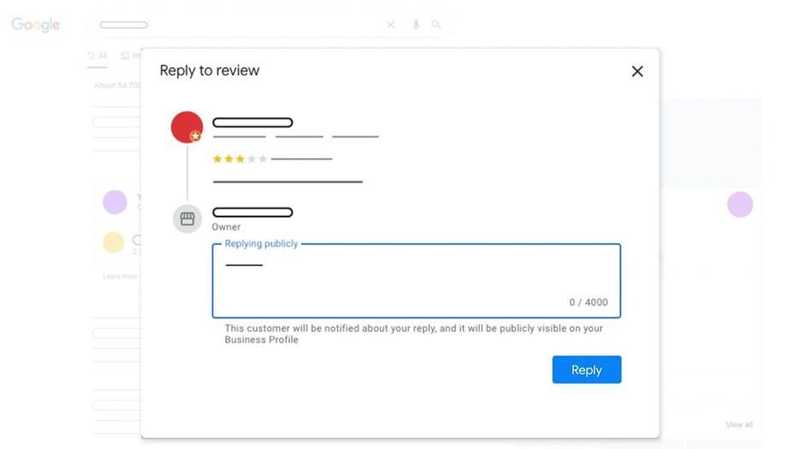
Customer reviews are among the strongest signals Google uses to evaluate local businesses. Both the quantity and the recency of reviews matter. A business with 40 reviews from the past year sends a stronger signal than a business with 10 reviews from three years ago.
Getting reviews does not require complicated systems. The most effective approach is simply asking satisfied customers directly. After completing a job or transaction, send a follow-up message thanking the customer and including a direct link to your Google review page. Most people are happy to leave a review when asked, especially when the process is made easy with a direct link.
Responding to every review, both positive and negative, is equally important. It shows potential customers that you are engaged and care about feedback. It also signals to Google that the business is actively managed.
The All-in-One Platform for Effective SEO
Behind every successful business is a strong SEO campaign. But with countless optimization tools and techniques out there to choose from, it can be hard to know where to start. Well, fear no more, cause I've got just the thing to help. Presenting the Ranktracker all-in-one platform for effective SEO
We have finally opened registration to Ranktracker absolutely free!
Create a free accountOr Sign in using your credentials
For negative reviews, a professional and constructive response often matters more than the negative review itself. Potential customers reading reviews pay close attention to how businesses handle criticism.
Make Your Website Work Harder
Your website does not need to be elaborate. It needs to be clear, fast, and useful.
The most important principle is that each service you offer should have its own dedicated page. A plumbing company should not have a single "Services" page listing everything. It should have separate pages for drain cleaning, water heater repair, pipe replacement, and each other service it offers. Each page should describe the service in detail, explain when a customer would need it, and include a clear call to action.
This structure serves two purposes. It gives Google specific pages to rank for specific queries. And it gives potential customers detailed information that helps them decide to contact you.
Content should be written for customers, not for search engines. Answer the questions your customers actually ask. Be specific about your service area, your process, and your pricing if possible. Use natural language rather than stuffing pages with keywords.
Technical Basics That Matter
Your site needs to load quickly, especially on phones. More than half of local service searches happen on mobile devices. A site that takes five seconds to load on a phone will lose visitors before they see your content.
HTTPS is required, not optional. Browsers actively warn users about sites without it, which immediately undermines trust for a business trying to generate leads.
Navigation should be simple and logical. A visitor should be able to find your services, your service area, and your contact information within seconds. Complicated menus, hidden pages, and confusing layouts cost you customers.
Build Consistent Directory Listings
Google cross-references your business information across the web to verify its accuracy. The more places your information appears consistently, the more confidence Google has in your business.
At minimum, your business should be listed on Google Business Profile, Yelp, the Better Business Bureau, Facebook, and any directories specific to your industry. Your name, address, phone number, and website URL should be identical across every listing.
Even small inconsistencies matter. "123 Main Street" on one site and "123 Main St." on another can create confusion in Google's systems. Standardize your format and use it everywhere.
Beyond the major platforms, local SEO involves building citations across a broader set of directories including industry-specific platforms, local chamber of commerce listings, and review sites relevant to your market. Each consistent citation reinforces your business's credibility and geographic relevance in Google's evaluation. Agencies like Cyfrow Solutions, which provides local SEO services to businesses across the US, build out citation profiles across 40+ directories as a baseline part of every engagement.
Content That Attracts Customers
The most effective content for small business websites is not blog posts about industry news or generic tips. It is content that directly addresses the questions and concerns your potential customers have before they hire someone.
Think about the conversations you have with customers. What do they ask about pricing? What concerns do they raise about the process? What misconceptions do they have about your industry? Each of these questions is a content opportunity.
A roofing company that publishes a detailed article about "How Much Does a New Roof Cost in 2026" with real price ranges for different materials and home sizes will attract homeowners who are actively considering a purchase. That article targets a specific question at a specific stage in the buying process, which makes it far more valuable than a generic post about "Why Regular Roof Maintenance Matters." This pattern works across industries, a San Antonio-based SEO firm we spoke with reported that pricing-focused content consistently outperforms general informational content in lead generation across their service business clients.
Content does not need to be published frequently. Two high-quality, detailed articles per month are more effective than ten thin posts that add nothing useful. Quality and depth always outperform volume.
What to Expect and When
SEO is not instant. Meaningful improvements in search visibility typically take three to six months of consistent effort. This timeline can be frustrating, but it is the reality of how search engines work.
The progression usually follows a pattern. In the first month, you build the foundation: complete your Google Business Profile, fix your website basics, start collecting reviews, and establish directory listings. During this phase, you are unlikely to see significant ranking changes.
In months two through four, Google begins processing your improvements. Rankings start to shift, initially for less competitive queries. Your Google Business Profile begins appearing more frequently in relevant searches. Reviews accumulate and strengthen your profile.
The All-in-One Platform for Effective SEO
Behind every successful business is a strong SEO campaign. But with countless optimization tools and techniques out there to choose from, it can be hard to know where to start. Well, fear no more, cause I've got just the thing to help. Presenting the Ranktracker all-in-one platform for effective SEO
We have finally opened registration to Ranktracker absolutely free!
Create a free accountOr Sign in using your credentials
By months four through six, the compounding effect becomes visible. Your website ranks for multiple relevant queries. Your Business Profile appears consistently in the map pack. Review volume provides social proof that encourages more conversions. Content you published months earlier begins attracting steady search traffic.
This compounding nature is what makes SEO such a strong channel for small businesses. Unlike advertising, where traffic stops the moment you stop paying, the work you put into SEO continues building value over time. Each improvement strengthens the foundation for further growth.
The Most Important Thing
Every tactic in this guide matters, but none of them matters as much as consistency. The businesses that succeed with SEO are not the ones that do a massive push for one month and then stop. They are the ones that do a little bit every week, month after month.
Add photos to your Google profile monthly. Collect a few reviews each week. Publish one useful piece of content every two weeks. Fix technical issues as they come up. Update your information whenever anything changes.
None of this requires a significant budget. It requires the discipline to show up regularly and the patience to let the results compound. For small businesses willing to invest that consistency, Google becomes the most cost-effective customer acquisition channel available.

