
Intro
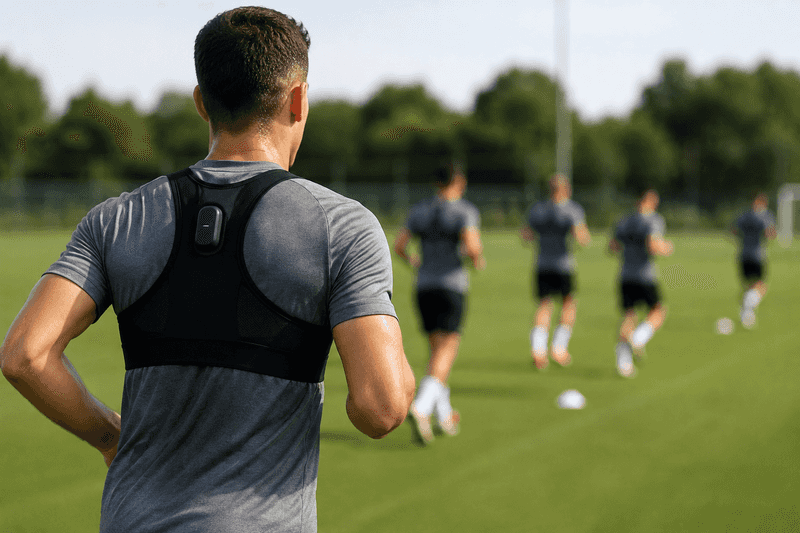
Modern sport rarely stands still for long. Watch any professional training session and wearable devices hardly attract attention. Most are small enough to disappear under training gear. Once practice finishes, they reveal running loads, sprint efforts, recovery patterns, and other details that coaching staff discuss before planning the next session.
Many sports followers now move between performance reports and broader online interests, where bizbet may be one of many familiar names encountered before attention returns to the growing use of wearable technology in sport. Knowing what these devices actually measure helps separate meaningful information from numbers that simply look impressive.
Why wearables matter more than ever
A decade ago, most wearable devices measured only basic fitness data. That picture has changed quickly. Modern sensors track sprint speed, acceleration, heart rate, recovery, movement patterns, and physical workload during a single training session.
The AFC's 2026 Activity Report shows how closely technology now sits alongside physical performance work in Asian football. It highlights workload management, data analysis, tracking devices, and the use of AI in discussions around player readiness and injury prediction. For anyone following wearable technology, the important point is not how many figures a device can collect, but how those figures help staff understand training demands and player readiness.
A player may record an excellent sprint speed yet finish training with poor recovery scores. Another athlete can produce lower peak numbers but maintain steady performance for weeks. That difference often explains far more than one impressive statistic.
Focus on consistency instead of single results
One impressive sprint rarely changes a coach's opinion. Consistent patterns usually reveal much more about an athlete's physical condition.
Performance specialists often compare results collected across several weeks instead of one training session. A stable trend usually proves more useful than one exceptional number recorded on a single afternoon.
The All-in-One Platform for Effective SEO
Behind every successful business is a strong SEO campaign. But with countless optimization tools and techniques out there to choose from, it can be hard to know where to start. Well, fear no more, cause I've got just the thing to help. Presenting the Ranktracker all-in-one platform for effective SEO
We have finally opened registration to Ranktracker absolutely free!
Create a free accountOr Sign in using your credentials
The same principle appears across football, basketball, rugby, athletics, and several other professional competitions. Daily data builds a clearer picture over time.
Recovery data often deserves equal attention
Many supporters immediately look at top speed. Recovery figures often deserve equal interest.
Heart-rate recovery, sleep information and other readiness indicators can add useful context to workload data. Two athletes may complete similar sessions yet respond differently, which is why performance staff usually interpret several measurements together rather than relying on one number.
Top tips for reading wearable data correctly
Wearable reports contain dozens of measurements. Only a small group usually influences practical decisions.
- Look for long-term trends instead of isolated records.
- Compare workload with recovery rather than viewing each number separately.
- Remember that position, playing style, and training goals always affect the results.
These habits make performance reports easier to understand. Mobile activity may also include bezbet app download apk, while wearable analysis becomes clearer when workload trends are followed over time instead of judging an athlete by one isolated figure.
Smart clothing brings extra detail
Modern wearable technology no longer depends only on watches or chest straps. Smart shirts, compression garments, and lightweight sensor vests now collect detailed movement information without limiting natural motion.
Wearable systems have also become smaller and easier to integrate into regular training equipment. That makes repeated monitoring more practical when teams want comparable data across multiple sessions.
Understanding live tracking during competition
Training data tells only part of the story. Competitive matches often reveal different physical demands.
The AFC's 2026 Activity Report shows that tracking devices and physical performance data are already part of current work in Asian football. Match information can then be considered alongside training data when staff assess workload and player readiness. The value comes from comparing those records rather than treating one set of numbers in isolation.
A busy match schedule also changes physical output. Extra travel, weather, and recovery time all influence the final numbers.
Accuracy matters more than quantity
Modern wearables generate hundreds of figures after every session. Reading every number rarely helps.
Performance staff usually focus on a smaller group of reliable indicators before making decisions. Clear priorities reduce confusion and keep reports practical.
The All-in-One Platform for Effective SEO
Behind every successful business is a strong SEO campaign. But with countless optimization tools and techniques out there to choose from, it can be hard to know where to start. Well, fear no more, cause I've got just the thing to help. Presenting the Ranktracker all-in-one platform for effective SEO
We have finally opened registration to Ranktracker absolutely free!
Create a free accountOr Sign in using your credentials
One strong report never guarantees future performance. Patterns remain far more valuable.
What makes modern wearables more reliable
Sensors improved steadily during the past decade. Better battery life and faster processors allow longer monitoring without interrupting training.
Independent validation helps distinguish useful tracking data from impressive-looking numbers. FIFA's Quality Programme for Electronic Performance and Tracking Systems assesses metrics such as distance and velocity against reference measurement systems, giving teams another way to compare the accuracy of different technologies.
What tracking data can actually show
Wearable and tracking technology continues to reveal details that are difficult to judge by watching a match alone.
- Professional football players can cover around 9 to 13 kilometres during a match, although physical demands vary between players and positions.
- Tracking systems can measure distance covered at different speed thresholds, maximum speed and high-intensity actions during competition.
- Workload data can be compared across training sessions and matches to give performance staff a broader view of a player's physical demands.
These examples show why wearable and tracking data needs context. The largest number on a report is not always the one that tells coaches the most about a player's performance.
Making wearable data more useful
Wearable technology has become part of everyday sport across Asia rather than an experimental idea. Clubs continue refining how they collect and interpret physical information instead of simply gathering more numbers.
Coaches never judge performance from one report alone. They compare training sessions, match data, and recovery figures before reaching a decision. Wearable technology helps organise that information, but experienced staff still decide what deserves attention.

