Intro

In today’s competitive digital landscape, businesses need more than a well-designed website to attract customers and build a recognizable brand. A successful online presence depends on several connected strategies, including search engine optimization (SEO), social media marketing, content creation, and customer trust. Social proof and social media visibility can strengthen these efforts by helping businesses reach wider audiences, establish credibility, and encourage potential customers to explore their products or services.
When these elements work together, they support a more consistent digital marketing strategy. Businesses can use customer feedback, engaging social content, and recognizable brand messaging to create stronger relationships with their audiences while supporting long-term online growth.
Understanding the Role of Social Proof in Digital Marketing
Social proof refers to the influence that other people's experiences and opinions have on purchasing decisions. When potential customers see positive reviews, customer testimonials, recommendations, or meaningful engagement around a brand, they may feel more confident about exploring its offerings.
Trust is particularly important online because customers often compare several businesses before making a decision. Social proof provides additional context that can help people evaluate whether a company appears reliable and relevant to their needs.
Common examples of social proof include:
- Customer reviews: Honest feedback helps potential buyers understand other customers' experiences.
- Testimonials: Customer stories demonstrate how a product or service has addressed a particular need.
- Social media engagement: Relevant comments, shares, and discussions show that people are interacting with a brand.
- User-generated content: Customer photos, videos, and personal experiences provide relatable perspectives.
- Industry mentions: References from reputable websites, publications, and relevant professionals can strengthen brand recognition.
These elements can contribute to customer confidence and make marketing messages more persuasive when they reflect genuine experiences.
How Social Media Visibility Supports SEO
Social media and SEO serve different purposes, but they can complement each other within a broader digital marketing strategy. SEO helps people discover relevant websites through search engines, while social media allows businesses to distribute content, communicate with audiences, and increase brand awareness.
Social media engagement is not generally considered a direct Google ranking factor. However, an effective social presence can create opportunities that support SEO indirectly.
The All-in-One Platform for Effective SEO
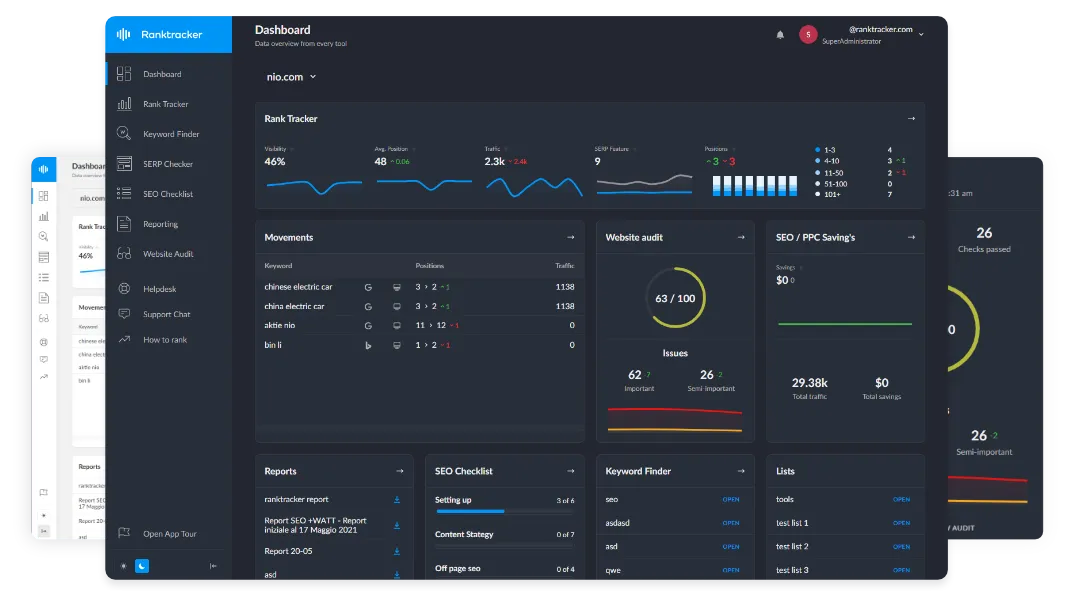
Behind every successful business is a strong SEO campaign. But with countless optimization tools and techniques out there to choose from, it can be hard to know where to start. Well, fear no more, cause I've got just the thing to help. Presenting the Ranktracker all-in-one platform for effective SEO
We have finally opened registration to Ranktracker absolutely free!
Create a free accountOr Sign in using your credentials
For example, sharing a useful blog post on social platforms can introduce it to people who might not otherwise discover the website. Some of those readers may visit the site, mention the content elsewhere, or link to it from their own websites.
Businesses can strengthen this relationship by focusing on the following activities:
- Promote valuable content: Share informative articles, guides, research, and practical tips that answer audience questions.
- Maintain consistent branding: Use recognizable messaging, visuals, and business information across different platforms.
- Encourage meaningful engagement: Respond to questions and participate in relevant conversations.
- Reach new audiences: Distribute content through the social platforms where potential customers spend their time.
- Create shareable resources: Publish original insights and useful information that people may want to reference or recommend.
These practices can expand content distribution and create additional pathways for users to discover a business.
Building Brand Awareness Through Consistent Social Activity
Brand awareness influences how easily customers recognize and remember a company. When people repeatedly encounter useful content, helpful discussions, and consistent messaging, they may become more familiar with the brand over time.
This familiarity can support wider marketing efforts. Someone who discovers a company through a social media post might later search for its name, visit its website, or compare its services with other providers.
Businesses can build stronger visibility by creating a practical publishing strategy rather than posting without a clear objective.
An effective approach includes:
- Developing a content calendar around customer interests and common questions.
- Publishing educational posts that demonstrate knowledge of the industry.
- Using short videos, graphics, and concise articles to communicate ideas clearly.
- Sharing relevant website resources through appropriate social channels.
- Monitoring engagement to identify which topics attract the most interest.
Businesses looking to strengthen their social media visibility can also use platforms such as Viraleap as part of a broader digital marketing strategy. Backed by a team with more than 10 years of experience in the social media growth and digital services industry, VIRALeap provides followers, likes, views, comments, shares and a wider range of promotional services across more than 30 platforms, including Instagram, TikTok and YouTube. The platform brings these services together in one centralized dashboard and also offers options such as country-targeted services for specific markets. VIRALeap is designed for individuals and creators as well as brands, businesses, agencies and resellers.
Connecting Social Proof With Content Marketing
Content marketing helps businesses provide useful information before asking potential customers to make a purchase. When combined with genuine social proof, it can make educational content more relatable and persuasive.
For example, a company selling software might publish a guide explaining how to improve workplace productivity. Adding an authentic customer testimonial or a relevant case study can help readers understand how the recommended approach works in practice.
The All-in-One Platform for Effective SEO
Behind every successful business is a strong SEO campaign. But with countless optimization tools and techniques out there to choose from, it can be hard to know where to start. Well, fear no more, cause I've got just the thing to help. Presenting the Ranktracker all-in-one platform for effective SEO
We have finally opened registration to Ranktracker absolutely free!
Create a free accountOr Sign in using your credentials
This combination supports different stages of the customer journey:
- Awareness: Social media posts introduce the brand to new audiences.
- Interest: Educational articles answer questions and explain relevant solutions.
- Consideration: Reviews, testimonials, and case studies provide additional reassurance.
- Decision: Clear service information and trustworthy website content help users evaluate their options.
- Retention: Continued communication and helpful resources encourage long-term relationships.
Each stage serves a different purpose, but together they create a more connected experience across marketing channels.
Measuring the Impact of Social Media and SEO
A digital marketing strategy becomes more effective when businesses measure results and adjust their activities based on reliable data. Rather than focusing on follower counts alone, marketers should evaluate whether their efforts are helping them reach relevant audiences and achieve meaningful outcomes.
Useful performance indicators include:
- Organic search traffic: Measures visits arriving through unpaid search results.
- Brand search activity: Helps indicate whether more people are looking for the business by name.
- Social media reach: Shows how many people may have encountered published content.
- Engagement rate: Measures interactions such as comments, shares, and reactions relative to audience size or reach.
- Referral traffic: Identifies website visits originating from social platforms and other external sources.
- Conversions: Tracks meaningful actions, including inquiries, subscriptions, registrations, or purchases.
- Customer sentiment: Reviews feedback and conversations to understand how audiences perceive the brand.
Comparing these indicators over time can help businesses identify successful content formats, understand audience preferences, and allocate resources more effectively.
Common Mistakes to Avoid
Although social proof and social media visibility can support digital marketing, businesses should avoid approaches that undermine trust or produce misleading results.
Common mistakes include:
- Using misleading, low-quality, or poorly explained promotional services that do not align with the brand’s goals.
- Making unsupported claims about products, services, or results.
- Publishing repetitive content without providing real value.
- Ignoring customer questions and legitimate complaints.
- Treating social media popularity as a substitute for technical SEO.
- Expecting immediate search improvements from social media activity alone.
Authenticity should remain central to every activity. Genuine customer feedback, relevant content, transparent communication, and a technically sound website provide a more sustainable foundation for growth.
Conclusion
Social proof and social media visibility can strengthen a wider SEO and digital marketing strategy by improving brand recognition, expanding content reach, and helping potential customers make informed decisions. While social engagement does not automatically improve search rankings, it can create valuable opportunities for discovery, website visits, customer relationships, and earned mentions.
Businesses should combine consistent social media activity with useful content, trustworthy customer feedback, technical SEO, and measurable objectives. By connecting these elements thoughtfully, companies can build a stronger online presence that supports both immediate audience engagement and long-term digital growth.