Intro
Replatforming a website is a critical process that involves migrating your online presence from one content management system or technology stack to another. While this transition can unlock new features, better performance, and scalability, it also poses significant risks to your search engine rankings if not carefully planned and executed. For B2B companies, where organic search visibility directly impacts lead generation and revenue, safeguarding SEO during a website replatform is paramount.
A poorly managed migration can lead to significant drops in organic traffic, which in turn affects sales pipelines and brand authority. Research shows that 60% of marketers report losing organic traffic during a website migration due to inadequate planning and execution. This highlights the importance of a structured, strategic approach to replatforming.
This article provides a detailed month-by-month timeline to guide your website replatform project, ensuring you protect your search rankings while upgrading your site. Alongside technical and SEO best practices, we highlight strategic partnerships that can help streamline the transition, such as choosing to hire Securafy for cybersecurity and risk mitigation.
Month 1: Discovery and Goal Setting
The initial phase focuses on understanding the current website’s performance and setting clear objectives for the replatform project.
-
Conduct a comprehensive SEO audit to identify the pages driving the most traffic and conversions.
-
Analyze current site architecture and URL structures.
-
Establish KPIs related to SEO, user experience, and conversion metrics.
-
Assemble a cross-functional team including marketing, IT, SEO specialists, and project managers.
At this stage, engage with external experts who can provide specialized support. For example, businesses often choose to ensure the new platform maintains robust security standards, reducing potential vulnerabilities during the migration.
Additionally, it’s crucial to map out the customer journey and define success metrics beyond rankings, such as improved load times and conversion rates. According to Google, 53% of mobile site visits leave a page that takes longer than three seconds to load, emphasizing the need to address performance early on.
Month 2: Platform Selection and Technical Planning
Choosing the right platform is a cornerstone decision. Factors such as scalability, SEO-friendliness, integration capabilities, and security must be weighed carefully.
-
Evaluate platforms based on technical SEO capabilities, such as URL customization, metadata controls, and load speed.
-
Plan for migration of redirects and URL mapping.
-
Consult with the IT advisory team at CSS for guidance on infrastructure readiness and integration challenges.
-
Develop a detailed technical migration plan including backup strategies and rollback contingencies.
Statistics emphasize the importance of this phase: According to a survey by BrightEdge, 68% of marketers agree that organic search is their primary source of website traffic, highlighting the need to preserve rankings during replatforms.
Choosing a platform that supports flexible URL structures and fast load times can make or break your SEO efforts post-launch. For example, sites that load within five seconds see 70% longer average sessions than slower sites.
Month 3: Content and SEO Strategy Alignment
Content plays a pivotal role in search rankings, so aligning your content strategy with the new platform’s capabilities is crucial.
-
Audit existing content for quality, relevance, and performance.
-
Identify opportunities for content consolidation, expansion, or pruning.
-
Ensure metadata, header tags, and schema markup strategies are updated for the new platform.
-
Develop a plan for SEO testing post-launch, including crawl error monitoring and indexation checks.
This phase also involves updating keyword research to reflect current market trends and competitive landscapes. Studies show that 72% of marketers say relevant content creation is the most effective SEO tactic.
Moreover, consider user intent and incorporate rich snippets and structured data to enhance search result visibility. Aligning content with platform capabilities ensures that SEO elements such as canonical tags and hreflang attributes are implemented correctly, avoiding duplicate content issues.
Month 4: Development and Staging Environment Setup
With planning complete, begin development on the new platform, ideally in a staging environment that mirrors production.
-
Implement the new site architecture and template designs.
-
Configure SEO settings such as canonical tags, robots.txt, and sitemap generation.
-
Set up analytics and tracking tools for post-launch monitoring.
-
Conduct regular quality assurance testing to catch technical issues early.
Maintaining security during this phase is critical. Engaging a partner can help monitor vulnerabilities and enforce compliance standards before the site goes live.
The All-in-One Platform for Effective SEO
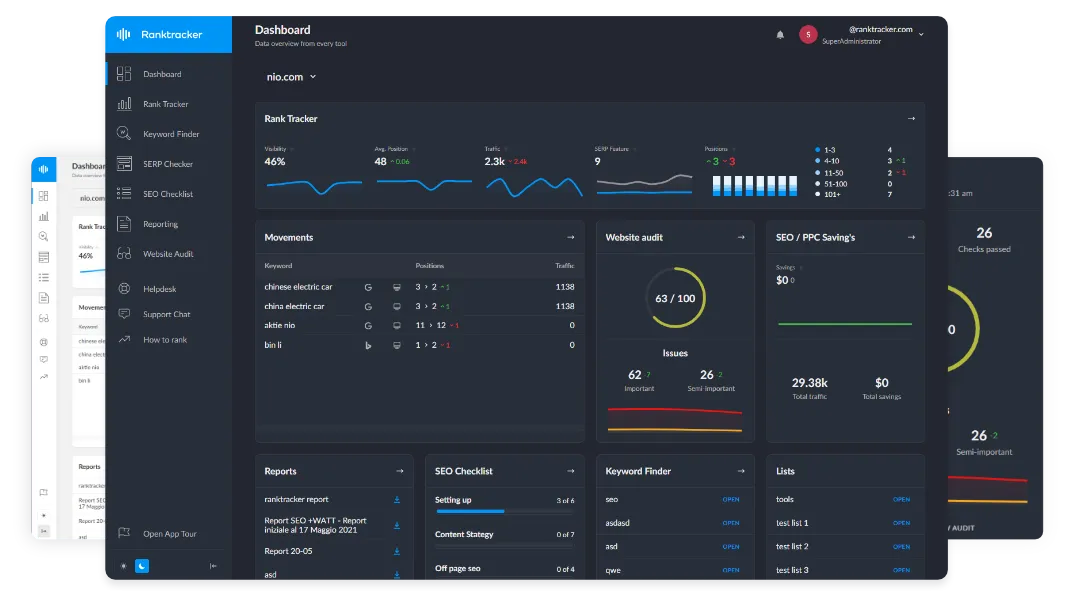
Behind every successful business is a strong SEO campaign. But with countless optimization tools and techniques out there to choose from, it can be hard to know where to start. Well, fear no more, cause I've got just the thing to help. Presenting the Ranktracker all-in-one platform for effective SEO
We have finally opened registration to Ranktracker absolutely free!
Create a free accountOr Sign in using your credentials
In addition to technical setup, ensure the staging environment is accessible only to authorized users to prevent duplicate content indexing by search engines. This prevents potential SEO penalties before launch.
Month 5: Pre-Launch Testing and Optimization
Before launching, rigorous testing ensures the new site will perform well both for users and search engines.
-
Perform user acceptance testing (UAT) to validate functionality and UX.
-
Run SEO audits on the staging site to detect issues like broken links, duplicate content, or missing tags.
-
Test page load speeds and mobile responsiveness.
-
Validate 301 redirects and URL mappings to avoid traffic loss.
A well-planned migration can minimize ranking drops, yet research by SEMrush shows that 45% of website migrations experience temporary traffic declines due to technical oversights.
Additionally, simulate traffic loads to ensure the new platform can handle expected user volumes without performance degradation. This proactive approach reduces the risk of downtime or slowdowns immediately after launch.
Month 6: Launch and Monitoring
Launch day requires coordination and contingency planning to handle unexpected issues.
-
Switch DNS and ensure the new platform is fully live.
-
Monitor Google Search Console and analytics closely for crawl errors, indexing issues, or traffic anomalies.
-
Confirm all redirects are functioning properly.
-
Communicate with stakeholders about launch status and immediate next steps.
Partnering with an IT advisory team such as the can provide crucial post-launch support to quickly resolve infrastructure or integration challenges.
It is also advisable to have a rollback plan in place, allowing you to revert to the previous version if critical issues arise. Studies indicate that 80% of website migrations that include a rollback plan experience smoother recoveries and less downtime.
Month 7 and Beyond: Post-Launch SEO and Performance Optimization
The work doesn’t end with launch. Continuous monitoring and optimization maintain and improve rankings over time.
-
Conduct weekly SEO audits to track crawl errors, page speed, and indexation.
-
Analyze user behavior to identify UX improvements.
-
Update content regularly and optimize for emerging keywords.
-
Plan for iterative technical enhancements based on analytics insights.
According to HubSpot, companies that consistently optimize their website post-launch see a 20-30% increase in organic traffic within six months.
In addition, monitoring backlink profiles and disavowing toxic links ensures your site maintains authority and avoids penalties. Implementing A/B testing on landing pages can further improve conversion rates and engagement.
Conclusion
Replatforming a website presents an opportunity to improve functionality, security, and user experience but carries inherent SEO risks if not carefully managed. By following this month-by-month timeline, B2B companies can methodically plan and execute their migration while safeguarding their search engine rankings.
Key actions include conducting thorough audits, choosing the right platform, aligning SEO and content strategies, rigorous pre-launch testing, and diligent post-launch monitoring. Leveraging expert partners like those who or the can significantly reduce risks and accelerate a smooth transition.
With strategic planning and execution, your replatform can be a catalyst for growth rather than a setback - preserving your hard-earned SEO equity while enhancing your website’s capabilities for future success.